Italian Coffee Rituals at Home: How to Pair Coffee Candles with After-Dinner Espresso
A practical guide to pairing coffee candles with after-dinner espresso, from scent choices and placement...

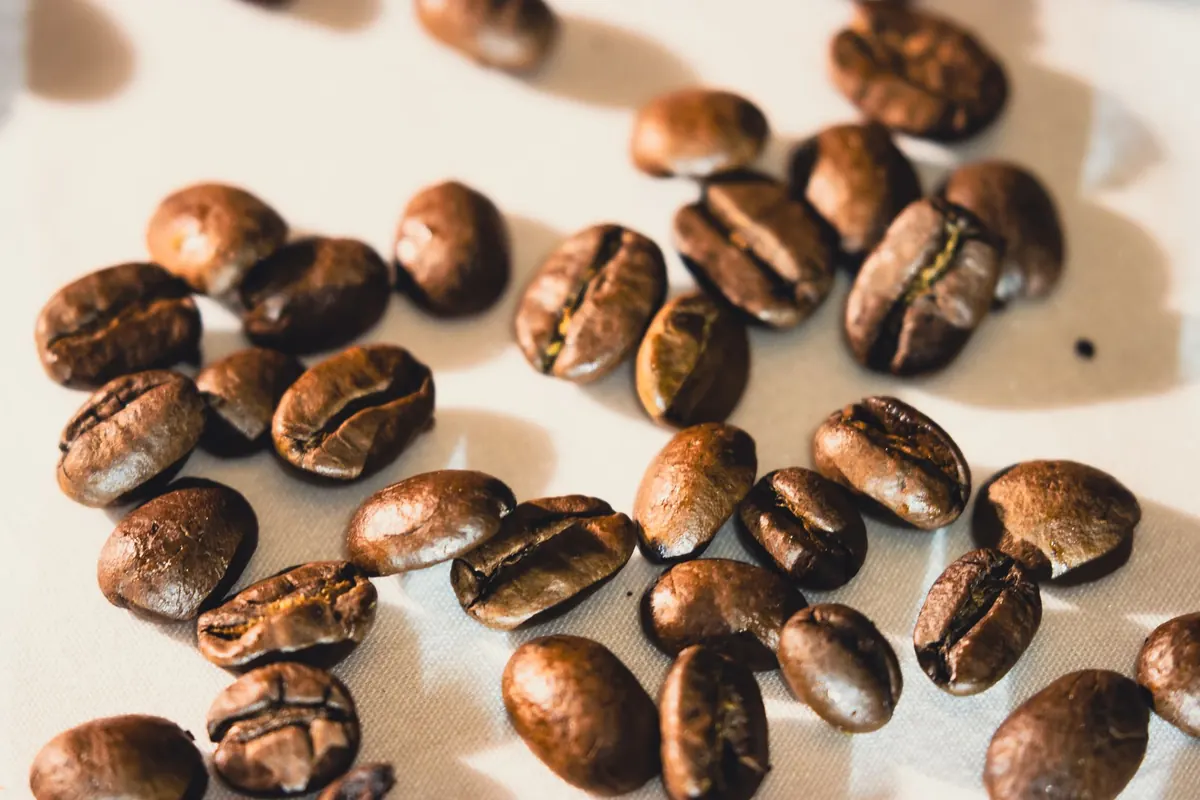
The first cup of the day is not only a taste. It is a smell: warm grounds, a hint of toast, steam rising from the mug. That is why so many of us reach for a coffee-scented candle or a room spray before the kettle has even boiled. Both can make a kitchen feel more awake, but they do very different jobs. A candle builds a mood slowly; a spray delivers a quick hit and disappears. Choosing between them is less about which is “better” and more about the morning you actually have.
A coffee candle relies on warmed wax to release fragrance. When the wick is lit, heat carries the scent upward and outward, often starting quietly and growing as the wax pool forms. A well-made coffee candle can smell like roasted beans, fresh grounds, or a soft mocha blend, depending on how it is composed. Realism depends on balance. Too much sweetness and the room smells like syrup; too little and the coffee note can turn sharp or vaguely burnt.
The first ten minutes are usually gentle. That is not a flaw. It is the nature of candle scent, and it suits a slower morning when you want the aroma to unfold while you grind beans, butter toast, or sit down with the first cup. An unlit candle may scent a small room softly, but the real performance begins with heat.
A room spray sends fine droplets into the air, so you smell it at once. The opening is bright and direct, sometimes with an alcohol-like sharpness that fades as the spray settles. Coffee realism can be excellent or disappointing. A good spray can suggest fresh grounds or a just-opened bag of beans; a poor one smells like coffee extract, flavored syrup, or a candle shop rather than a kitchen.
The trade-off is duration. Once the droplets land, the scent drops quickly. A spray is excellent for a quick refresh before guests arrive or for a small bathroom that needs a morning lift. It is less reliable for sustaining a coffee aroma through breakfast, especially in an open-plan kitchen where air moves freely.
For depth and that warm “brewing coffee” feeling, a candle usually wins. Heat mimics the steamy, rounded quality of a fresh mug. For a quick impression of just-ground beans, a well-chosen spray can be more immediate. If you want the aroma to linger while you eat, choose the candle. If you want a jolt as you walk through the door, choose the spray.
Morning routines are not all the same length. A candle needs time to perform; a spray needs restraint. In a large kitchen with a window open, a candle may struggle to make an impression, while a spray can cut through the air instantly. In a small bedroom or bathroom, the opposite can be true: a little spray goes a long way, and a candle may become too intense if left burning in a closed space.
A simple way to think about timing:
For a busy weekday, light a coffee candle while the kettle boils and blow it out before you leave. For a quick weekend refresh, use a spray in the hallway or bathroom, then let the air settle before you sit down to eat. Avoid layering both heavily in the same small room. Coffee aroma is pleasant when it is distinct; it becomes exhausting when it is everywhere.
Candles demand attention. Trim the wick before each burn, place the candle on a stable heat-resistant surface, and keep it away from curtains, paper, drafts, and the edges of counters. Never leave a burning candle unattended, and keep it out of reach of children and pets. Do not move a candle while the wax is hot. Extinguish it properly rather than blowing hard across the surface, which can send wax or embers where you do not want them.
Room sprays have their own rules. Do not spray near an open flame, a pilot light, or a hot stove. Avoid spraying directly onto food, faces, or pets, and do not stand in the mist and breathe deeply. A brief spray into the air is enough. If anyone in the household has a respiratory condition or a known fragrance sensitivity, ask a healthcare professional for advice before using any scented product regularly.
A coffee aroma should make the room feel welcoming, not crowded. If you can taste the fragrance in the air, you have used too much.
Choose a coffee candle when the morning is slower, when you will be nearby, and when you want the scent to develop. It suits a kitchen table, a reading corner, or a home office where you will sit for a while. Choose a room spray when you need a fast reset: a small bathroom before guests arrive, a hallway that smells stale, or a bedroom that needs a quick lift before you make the bed.
Think about the shape of your morning. If you are in and out of the kitchen with a travel mug in one hand, a spray is easier to manage. If you sit down with breakfast and a second cup, a candle earns its place. If you work from home, a candle can mark the start of the day and then be extinguished when the real work begins. If you leave before sunrise, a spray may be the only realistic option.
Start with the coffee itself. Put the kettle on, grind the beans, and let the real aroma do some of the work. If you are using a candle, light it now and leave it burning while you prepare breakfast. Keep the flame away from the kettle, the toaster, and anything that moves. When you sit down, the scent should be warm and present rather than sharp. Blow it out before you leave the room or the house.
If you are using a spray, apply it after the cooking smells have settled. Two pumps into the air near the doorway or above the sink are enough for most kitchens. Let the mist fall before you walk through it. On a rushed morning, spray the hallway on your way out rather than the kitchen while you are still eating. The effect is cleaner and less likely to cling to toast and coffee.
The best choice is the one you will use safely and consistently. A coffee candle gives you atmosphere, ritual, and a slow build. A room spray gives you speed, control, and a clean finish. Many coffee lovers keep both: a candle for weekends and quiet mornings, a spray for the five-minute reset before guests arrive. Used with a little restraint, either can make the first hour of the day feel more like the coffee aroma you want.
Photo: Scott Platt / Pexels
A practical guide to pairing coffee candles with after-dinner espresso, from scent choices and placement...
Cold throw, hot throw, wax blends and vague label claims: a practical guide to judging how strongly a...
Pair seasonal coffee candles with the right mug and a simple treat to turn a small gift into a cozy...