Italian Coffee Rituals at Home: How to Pair Coffee Candles with After-Dinner Espresso
A practical guide to pairing coffee candles with after-dinner espresso, from scent choices and placement...

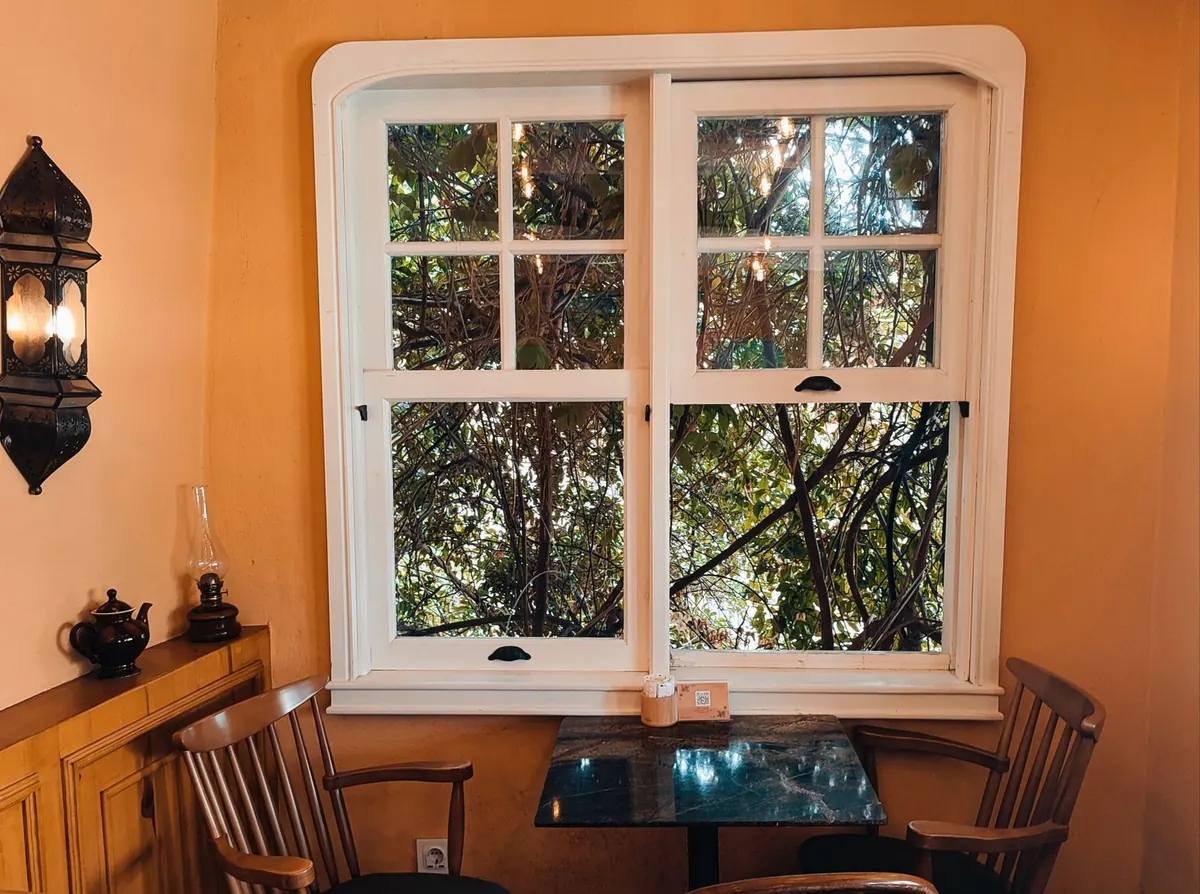
A coffee corner doesn't usually start with a plan. It starts with a chair that catches the morning light, a mug left on the armrest, and the smell of coffee still hanging in the room ten minutes later. The trouble is that most of these spots stay accidental — a bit cluttered, a bit cold, and never quite as inviting as they look in your head. The fix is smaller than you'd think. A surface, a few mugs you actually like, warm light, and one fragrance that ties the whole thing together. Here's how to build it properly, in an afternoon.
Before you buy a single candle, watch how you move through your home for a day. The best coffee corners are chosen by habit, not by floor plans. That narrow strip at the end of the kitchen counter, the window nook beside the bookshelf, the landing halfway up the stairs — these often get used already, just without any help.
What you need is roughly a metre of wall, a spot within reach of an outlet, and enough distance from the main walkway that a chair can sit slightly out of the traffic. Avoid the space directly in front of the television and the corner where the laundry tends to pile up. Morning light is a bonus; if the corner faces north, you'll lean harder on lamps and candles later, which is no bad thing.
If floor space is tight, you don't need a chair at all. A stool, a small bench, or a windowsill deep enough for a cup and a candle will do. The corner should feel like a place you pause, not a room you have to furnish.
A tray is the single most useful thing you can add. It gathers the mug, the candle, a spoon, a small vase, and a book into one deliberate arrangement, and it makes tidying a thirty-second job instead of a project. A wooden tray with a lip works well; so does slate, brass, or woven rattan if your room leans warmer.
Keep the table low enough that you can reach a mug without leaning forward — a side table around knee-to-waist height suits most armchairs. Add a small basket underneath for a folded throw, and the corner starts to look intentional even when nothing is styled.
Most coffee corners fail on fragrance, not furniture. People buy a strong candle and burn it in a small space until the room smells like a candle shop rather than a café. The trick is layering: one scent doing the main work, and a second one quietly holding it up.
Think in three levels. The candle is your anchor. A reed diffuser, a wax melt, or a room spray adds depth in a different part of the room. The third layer costs nothing — freshly brewed coffee, a bowl of oranges, or a cushion sprayed lightly with linen mist a few minutes before you sit down.
Warm fragrances get muddy when you mix too many. Choose from one family and build around it:
In a room under about fifteen square metres, two scent sources is plenty. Place the candle slightly away from where you sit rather than directly under your nose, and light it twenty minutes before you plan to use the corner so the scent has settled by the time you arrive.
Fragrance should be the last thing you notice when you walk in and the first thing you miss when it's gone.
A coffee corner needs three or four mugs, not fifteen. Choose them in two or three related tones — stoneware cream, clay brown, deep olive — and allow one odd one that you simply like. Open shelving, a wall hook, or a small wooden rack keeps them visible, which is half the appeal.
Keep a daily mug where your hand naturally falls, and store the rest a step further away for guests. If a mug is chipped, stained, or never chosen, move it on. Display is only charming when it's usable. Rotating two or three mugs with the seasons is enough to keep the shelf from going stale, and it costs nothing.
Overhead lighting flattens a small corner. A single lamp with a warm bulb — the sort that reads closer to afternoon than to daylight — placed at shoulder height beside the chair, does more for atmosphere than any amount of decorating. A dimmer, or even a smart bulb set low, lets you take it down further in the evening.
Then add texture. One cushion, a throw folded over the arm, a small rug if the floor is bare. Mix a smooth texture against a rough one: linen beside wool, matte ceramic beside a metal tray. Keep the whole palette to three tones and the corner will look composed without any effort at styling.
A coffee candle earns its place through good habits as much as good scent. A few that make a real difference:
If someone in the household has asthma or a sensitivity to fragrance, keep the corner lightly scented rather than heavily perfumed, ventilate the room between burns, and treat the candle as an occasional pleasure rather than an all-day presence.
Here's the practical order of work, from empty corner to finished spot:
That last step matters more than the others. A coffee corner is finished when you stop noticing it and start using it — when the mug lives there, the candle gets lit before dinner, and the chair is no longer somewhere to drop a bag. Everything else is decoration.
Photo: Mericimm / Pexels
A practical guide to pairing coffee candles with after-dinner espresso, from scent choices and placement...
Cold throw, hot throw, wax blends and vague label claims: a practical guide to judging how strongly a...
Pair seasonal coffee candles with the right mug and a simple treat to turn a small gift into a cozy...